The Day Joe Walsh Handed Jimmy Page His Most Legendary Guitar

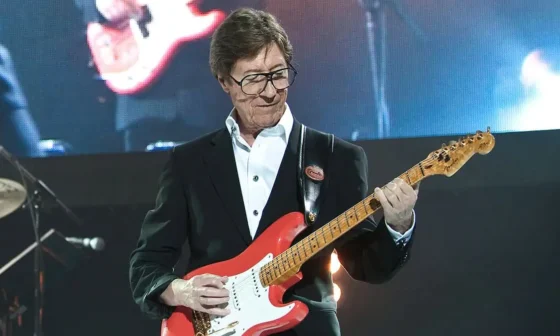
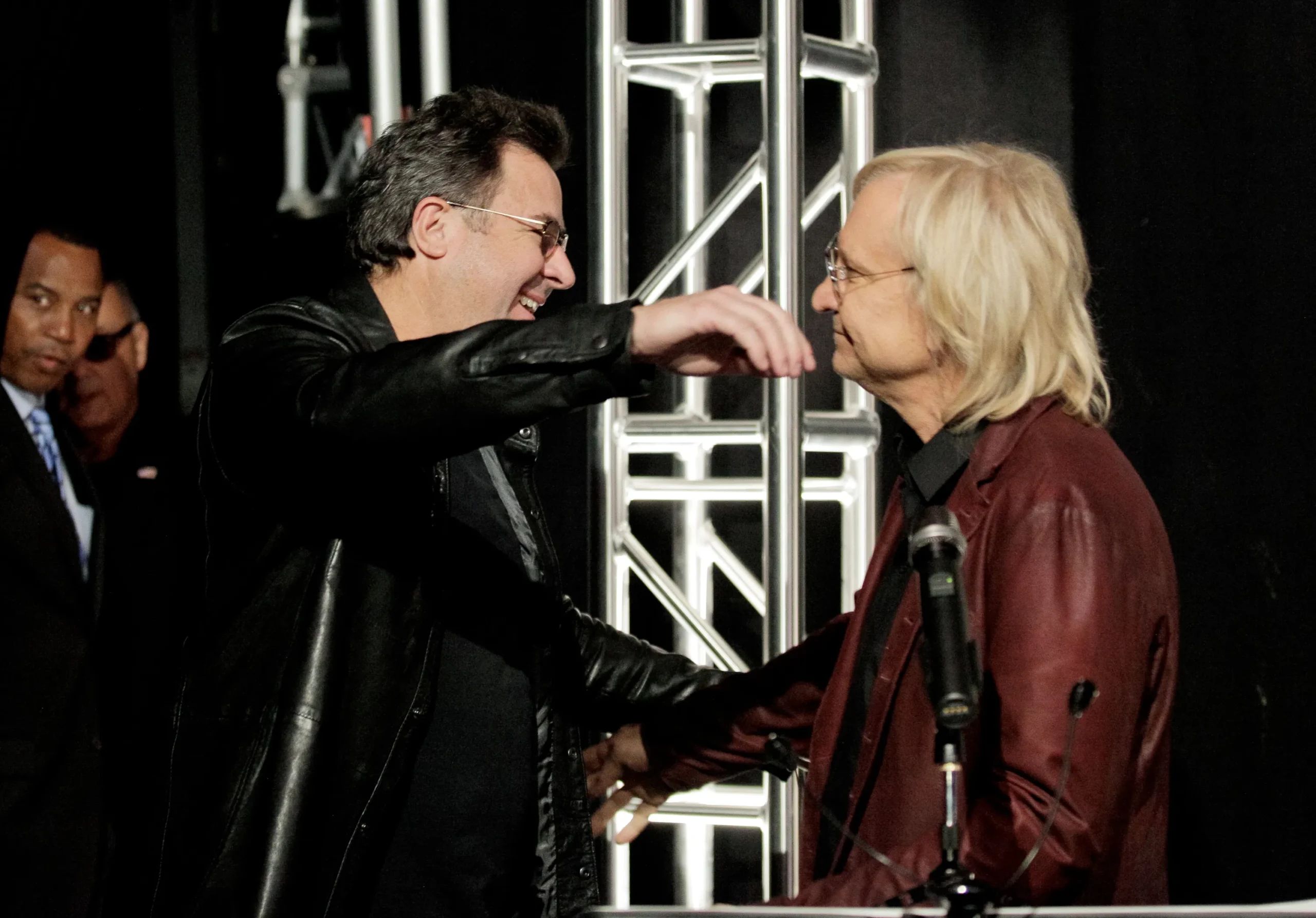
Joe Walsh & Vince Gill

For any true musician, an instrument is never just a tool. It becomes a voice, a way to speak without words. Jimmy Page, like many great players, owned countless guitars throughout his career, but a few of them carried stories that shaped his sound — and rock history itself.

Even before Led Zeppelin, Page understood the importance of tone. As a young but seasoned session player, he knew no one could last in the studio without mastering the craft of sound. By the time he joined The Yardbirds, Page was developing his own guitar language, one that leaned on his trusty Fender Telecaster. With it, he blended blues-rock and psychedelia on songs like “Heart Full of Soul,” a hint of the fire that would later define Zeppelin.

Once Led Zeppelin took off, the Telecaster stayed with him, powering early classics such as “Good Times Bad Times.” But as Zeppelin’s sound grew heavier and more ambitious, Page realized he needed an instrument that could take him further.

That’s where Joe Walsh entered the story. Long before joining the Eagles, Walsh had made his mark with the James Gang and had even shared the stage with Jimi Hendrix. During this time, he became friends with Page. Sensing that Page needed a different kind of guitar, Walsh offered him a Gibson Les Paul Standard.

Page hesitated at first, but the moment he plugged it in, everything changed. Reflecting on it later, he said:

“With the Les Paul, you’d get feedback through the amp and speakers, but you could control it more easily and work with it. You could change the literal note and frequency that was coming back on the feedback. I just really enjoyed playing Joe’s guitar. So I agreed with him that maybe I should buy his Les Paul Standard after all. I played [it] on ‘Whole Lotta Love’ and ‘What Is and What Should Never Be’ and that decided it for me.”

That decision altered the course of Zeppelin’s sound. While the Telecaster was still part of his arsenal, the Les Paul became Page’s weapon of choice, driving the heavier, more experimental tones on Led Zeppelin II. Songs like “Whole Lotta Love” didn’t just push Zeppelin forward — they helped define the very sound of 1970s hard rock.

Walsh, for his part, seemed to have a gift for putting iconic guitars in the right hands. Around the same time, he also passed a Gibson Les Paul to Pete Townshend, who used it on Who’s Next. In another life, Walsh might have made a fine guitar dealer, but in reality, he ensured that two of rock’s most important players had the perfect instruments to change music forever.

0 Shares:
Leave a Reply

Your email address will not be published. Required fields are marked *

You May Also Like
John Lennon
Read More

“HE LEFT THE STUDIO HOLDING THE TAPE — AND NEVER HEARD IT PLAY BACK.” 🎧🕯️ On the night of December 8, 1980, John Lennon walked out of the Record Plant clutching the final mix of Walking On Thin Ice, convinced it marked a new creative direction for him and Yoko. Minutes later, everything ended. The song’s lyrics — about chance, fragility, and life balanced on the edge — would become hauntingly prophetic. Featuring the last guitar solo John ever recorded, raw and unrestrained, Walking On Thin Ice stands not just as a track, but as Lennon’s final creative breath — a moment of urgency, love, and unfinished promise frozen in time.

Lennon was clutching the tape of the final mix from this session as he and Yoko left for…
yung
Read More

This Wasn’t Just Another Grammy Moment — It Felt Like One Generation Of Rock Quietly Handing Something Sacred To The Next, As The Room Softened, The Applause Faded, And Time Seemed To Slow Around A Legacy Being Passed On Without Needing To Be Explained Six Months After Losing Ozzy Osbourne, Sharon Osbourne Stepped Forward Not As A Spectator But As A Keeper Of Memory, Watching Yungblud Accept A Moment That Was Never Just His — a win shaped by grief, gratitude, and a bond that made the stage feel less like an awards show and more like a quiet memorial And long after the lights moved on, many were left wondering whether rock had just said goodbye… or quietly promised it would carry on.

Sharon Osbourne breaks down in tears as she takes to the stage at the 2026 Grammys for Yungblud’s…
Read More

“The Song That Was Too Sad to Exist”. It happened at 3 AM. Vern Gosdin and George Jones stepped into a booth to record “The Last Tear,” a secret duet that history tried to forget. As their voices merged, the studio descended into chaos. Seasoned engineers wept uncontrollably. The bassist dropped his instrument, paralyzed by regret, suddenly calling an ex-wife he hadn’t spoken to in twenty years. The recording captured a “frequency of absolute loneliness” so potent, George Jones called it poison. Shaking with fear, he set fire to the master tape right there. “If the world hears this,” he whispered, “no one will ever love again.” But the song didn’t vanish in the flames. Beneath an old oak tree, Vern hid the ashes… and they say the melody still lingers in the wind.

In the shadowed history of Nashville, where every street corner hums with a melody, there are stories that…