It starts, as these things often do, with a whisper.
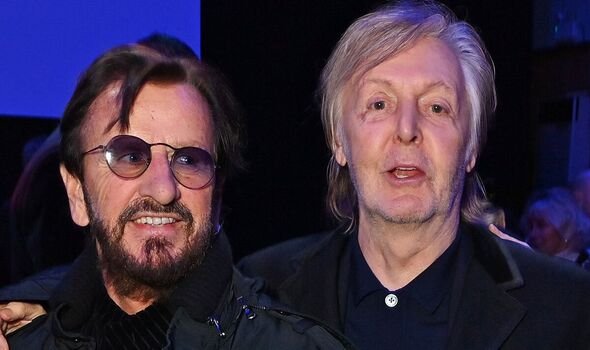
Not an announcement, not a press release—just a murmur that travels from fan forums to social feeds, growing louder with every retelling. The idea is simple, almost too simple: Paul McCartney and Ringo Starr, back on the same stage in 2026.
For many, that sentence alone feels like a time machine.
Decades have passed since The Beatles defined a generation and reshaped popular music forever. Their songs remain stitched into cultural memory, played across vinyl, streaming platforms, and stadium speakers alike. But the band itself has long existed as something untouchable—history rather than possibility.

That’s what makes this rumor different. It doesn’t just suggest a performance. It suggests a moment where the past might briefly step into the present.
There’s no official confirmation. No tour dates. No carefully worded statements from management teams. And yet, the idea refuses to fade. Fans are sharing old clips, revisiting iconic performances, and imagining what it would feel like to hear those familiar voices blend once more.
Part of the fascination lies in what’s already been lost. With John Lennon gone since 1980 and George Harrison since 2001, any reunion can never truly recreate the original magic. And yet, McCartney and Starr have carried that legacy forward in their own ways—through solo tours, collaborations, and occasional surprise appearances together over the years.
Those rare shared moments have always felt special, almost sacred. A song or two, a brief acknowledgment of something bigger than either of them alone. Enough to remind audiences of what once was, without trying to fully recreate it.
But a dedicated reunion—if that’s what this rumor suggests—would be something else entirely.
For longtime fans, it represents more than nostalgia. It’s a chance to witness living history. To stan

d in a crowd where generations overlap: those who remember the original era, and those who discovered it decades later. Music, after all, has a way of collapsing time. A single chord can carry someone back years, even decades, in an instant.
There’s also a deeper question beneath the excitement: why does this idea matter so much?
Perhaps it’s because The Beatles were never just a band. They were a cultural turning point, a shared experience that transcended borders and generations. The thought of even part of that story continuing—however briefly—feels meaningful in a way few other reunions ever could.
Still, reality remains uncertain. Rumors can build entire worlds out of fragments, and not all of them come true. It’s entirely possible that this moment will remain imagined, another “what if” added to music history.
And yet, the hope persists.
Because sometimes, the power of music isn’t just in what has happened, but in what might still happen. In the space between memory and possibility, where fans continue to believe that the story isn’t quite over.
Whether or not McCartney and Starr step onto a stage together in 2026, the reaction to this rumor says something lasting. It shows that the connection forged all those years ago hasn’t faded. If anything, it’s only grown stronger with time.
And for now, that possibility—however uncertain—is enough to keep people listening.