The Beatles: How Four Voices Revolutionized Music and Inspired Generations

Beatles

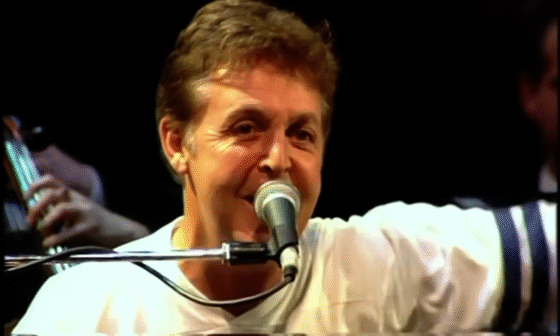
When people think of The Beatles, they often remember the songs first—the melodies that linger in your mind, the harmonies that tug at your emotions, and the records that transformed pop culture. But the real story goes deeper. It’s about four individuals from Liverpool—”,”English singer-songwriter and Beatles co-founder”], _artist”,”Paul McCartney”,”English singer-songwriter and Beatles bassist”], Harrison”,”English guitarist and Beatles member”], and Ringo Starr—whose personalities and talents fused into something far greater than any solo contribution.

From their earliest hits, like the exuberant She Loves You, The Beatles captured hearts with infectious energy and irresistible melodies. But as their career progressed, the group’s music grew increasingly sophisticated. Albums like Rubber Soul and Revolver explored new sounds and recording techniques, while tracks like Let It Be carried emotional weight that resonated deeply with listeners. Then came George Harrison’s serene contributions, including Here Comes the Sun, which added layers of optimism and introspection.

The Beatles - Wikipedia

What set The Beatles apart wasn’t just their global fame—it was their fearlessness in pushing boundaries. Each album reflected their willingness to experiment with new instruments, unconventional song structures, and innovative recording methods. They didn’t just write songs; they told stories through melody, rhythm, and harmony in ways that had never been done before.

Even decades later, their influence remains pervasive. Modern artists across genres—from pop to rock to electronic—cite The Beatles as inspiration. New generations continue to discover their music, finding relevance in lyrics that explore universal themes: love, longing, joy, and the complexities of life. Songs like Yesterday or Something don’t feel dated—they feel alive, connecting with listeners on a personal level no matter the era.

Beyond the music, The Beatles changed the very culture of popular music. They turned albums into art forms, pioneered music videos, and helped define what it meant to be a global superstar while maintaining authenticity. Their constant evolution demonstrated that creativity thrives when fear is set aside and collaboration is embraced.

Peter Jackson's Beatle dreams come true | RNZ News

Ultimately, The Beatles’ legacy isn’t measured in chart positions or awards—it’s in the way their music continues to resonate, inspire, and comfort people around the world. They remind us that great art transcends time, and that four individuals with vision, talent, and chemistry can truly change the way we see the world.

In every note, chord, and harmony, The Beatles remain more than a band—they are a lasting testament to innovation, connection, and the enduring power of music.

0 Shares:
Leave a Reply

Your email address will not be published. Required fields are marked *

You May Also Like
Beatles
Read More

No one believed The Beatles could ever reunite — not after half a century, not when two of them had already crossed to the other side of life. But on one strange rooftop night, as Paul and Ringo began to play, the impossible happened: John’s and George’s voices suddenly rose into the open air, clear enough to freeze the entire crew in place. I

THE BEATLES’ FINAL MIRACLE — The Night Music Broke the Barrier Between Life and Death For more than…
Beatles-on-the-Rooftop
Read More

The wind still cuts through Savile Row just as it did in 1969. But yesterday, the streets below felt eerily still. No sirens. No shouting fans. Only quiet. Five men appeared on the rooftop of Apple Corps — names that carry the full weight of music history: Julian Lennon, Sean Lennon, James McCartney, Dhani Harrison, and Zak Starkey. No cameras. No audience. Not even an announcement. They came quietly, plugged into vintage amplifiers long left untouched, and let them breathe again. When the first notes of Don’t Let Me Down rang out, the air itself seemed to shift. This wasn’t a tribute or a cover — it felt like something reborn. Yet it was the silence afterward — heavy, knowing, profound — that no one can stop thinking about. That moment rewrites everything we believed about their bond. ▶️ Listen to the song

The wind on Savile Row still howls the same way it did on January 30, 1969. But yesterday,…
Cole Swindell
Read More

Country star Cole Swindell has turned powerful words into music. Deeply moved by Charlie Kirk’s mission to “make heaven crowded,” Swindell sat down and wrote a brand-new song that he says is one of the most personal of his career. Insiders reveal the track carries both sorrow and hope, blending Cole’s signature storytelling with a tribute that reaches far beyond the stage. Fans who’ve heard early whispers describe it as “a prayer in song form.”

Charlie Kirk’s Mission To “Make Heaven Crowded” Conservative spokesperson and activist Charlie Kirk was on a mission to…
Beatles
Read More

One quiet admission just changed how fans see The Beatles forever. For decades, the story of the band has been wrapped in harmony, genius, and brotherhood — but now Paul McCartney is opening up about a far more complicated truth. In a candid reflection, he admits there were moments when he would “often talk down” to fellow bandmate George Harrison — a confession that’s sending shockwaves through the music world. What did that dynamic really look like behind closed doors? How did it affect George at a time when his talent was still fighting to be fully recognized? And why is Paul choosing to speak about it now, after all these years? Fans are re-examining old interviews, lyrics, and studio moments with fresh eyes — and many say this changes how they understand the tensions, the breakups, and the quiet pain that lived beneath the world’s most famous songs. This isn’t about blame. It’s about honesty. And it reveals a side of Beatle history that’s rarely discussed — but impossible to ignore once you hear it

Paul McCartney believes he would “often talk down” to George Harrison while the pair were in The Beatles. McCartney would make this…